Rural Reporting Toolkit
Introduction
About Chambal Academy
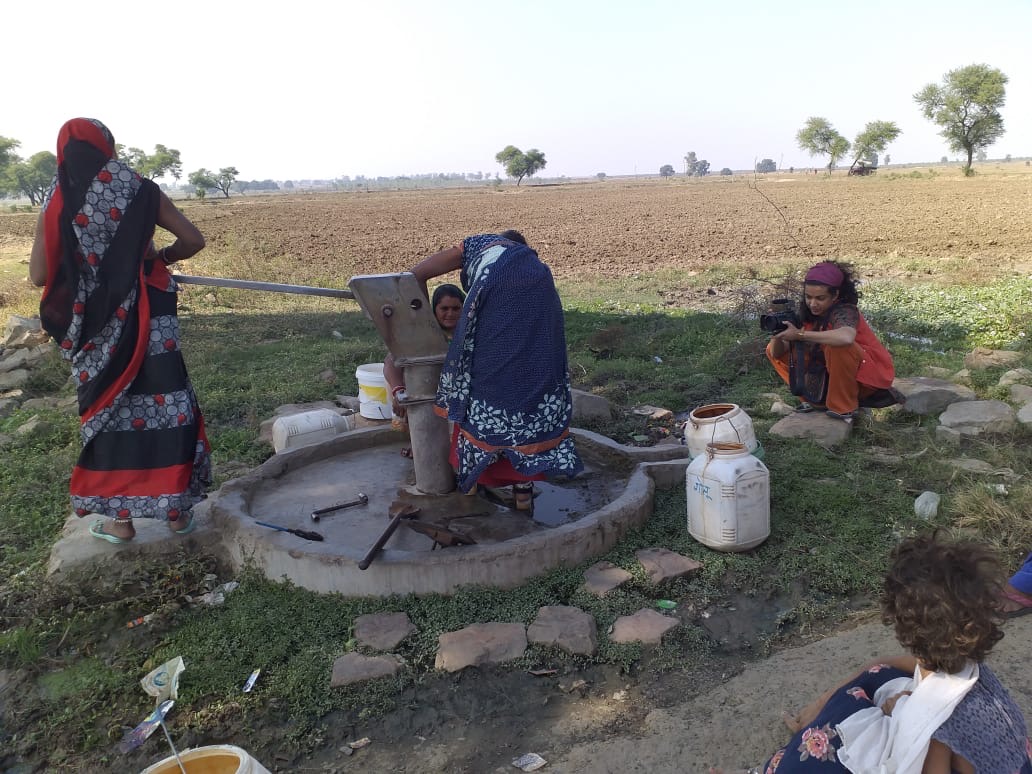
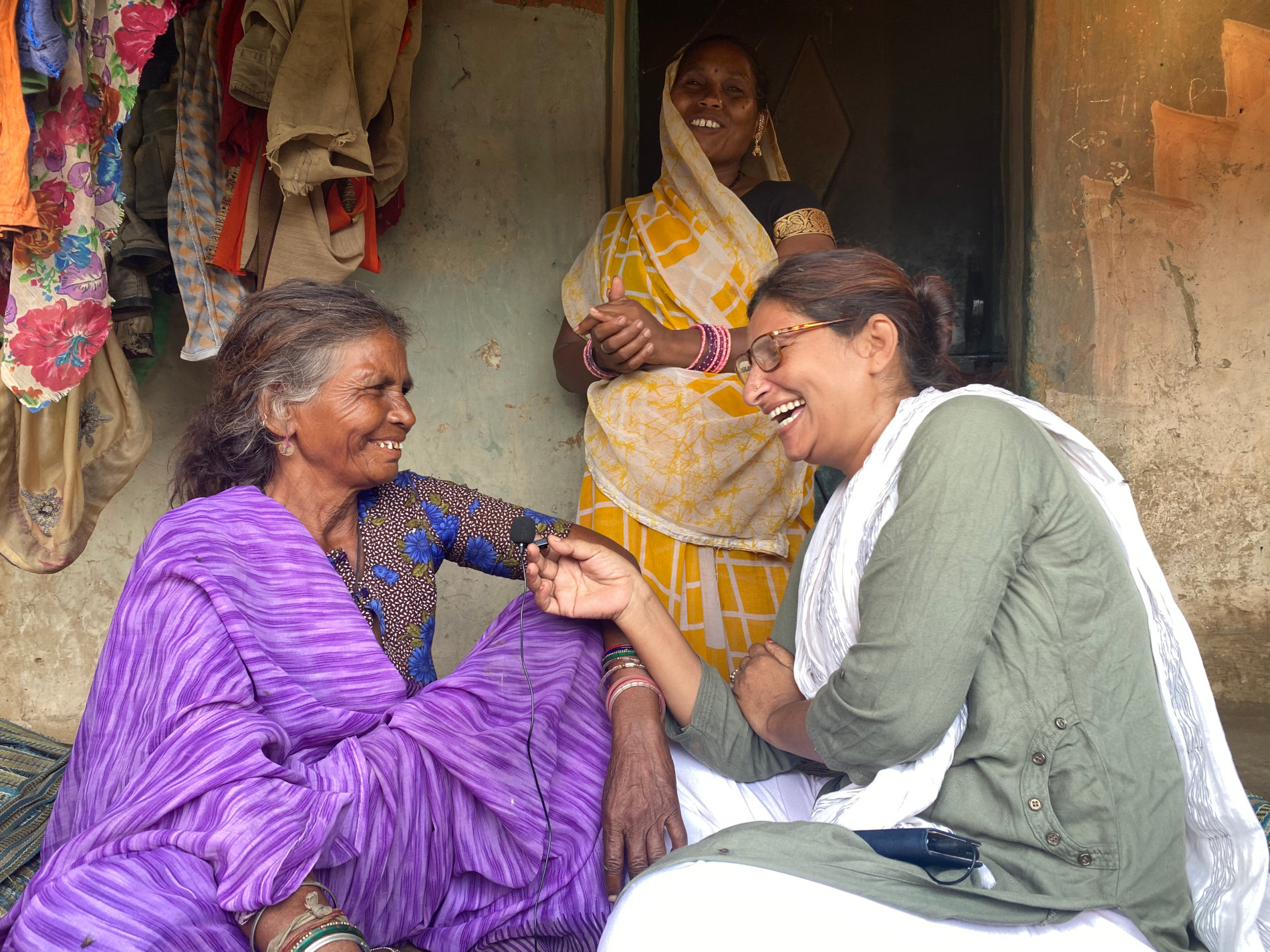
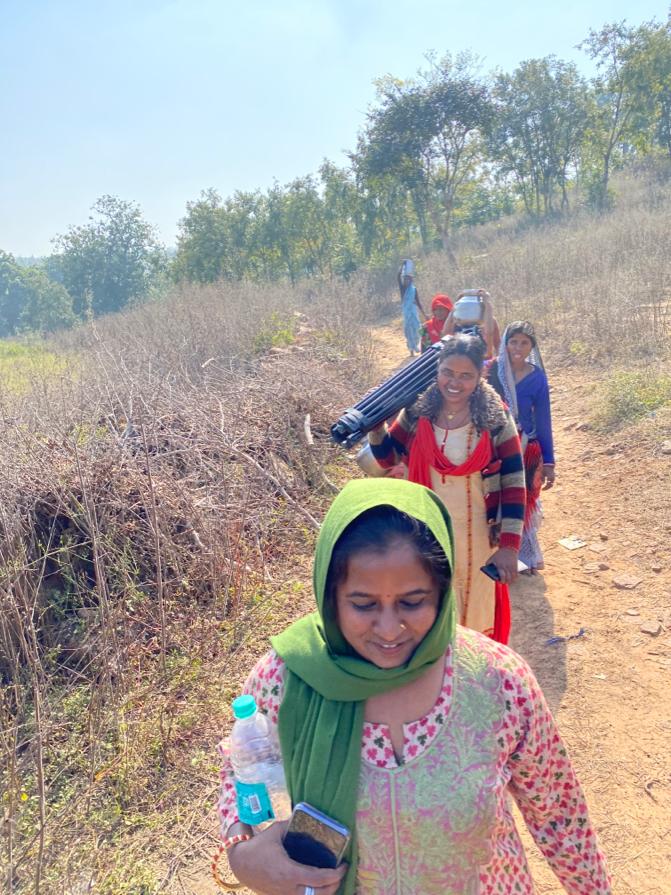
With over 20 years of experience in rural reporting, Khabar Lahariya is India's only grassroots journalism network, which includes female reporters and editors from rural and marginalized communities.
Inspired by this experience in rural journalism, Chambal Academy has crafted an educational model specifically designed to consider the needs of communities on the fringes.
We create content focusing on issues we face daily using a feminist and egalitarian lens. The team at Chambal Academy believes that everyone is innately curious about information and wants to access it democratically. Through our online courses, we aim to promote a journalistic approach that originates from the people and reports on issues affecting them.
If rural reporting interests you, then this toolkit is the answer to all your questions. Borrowing from two decades of experience reporting from the hinterlands, we are confident that this toolkit will provide you with all the necessary tips and tricks to be a rural journalist!
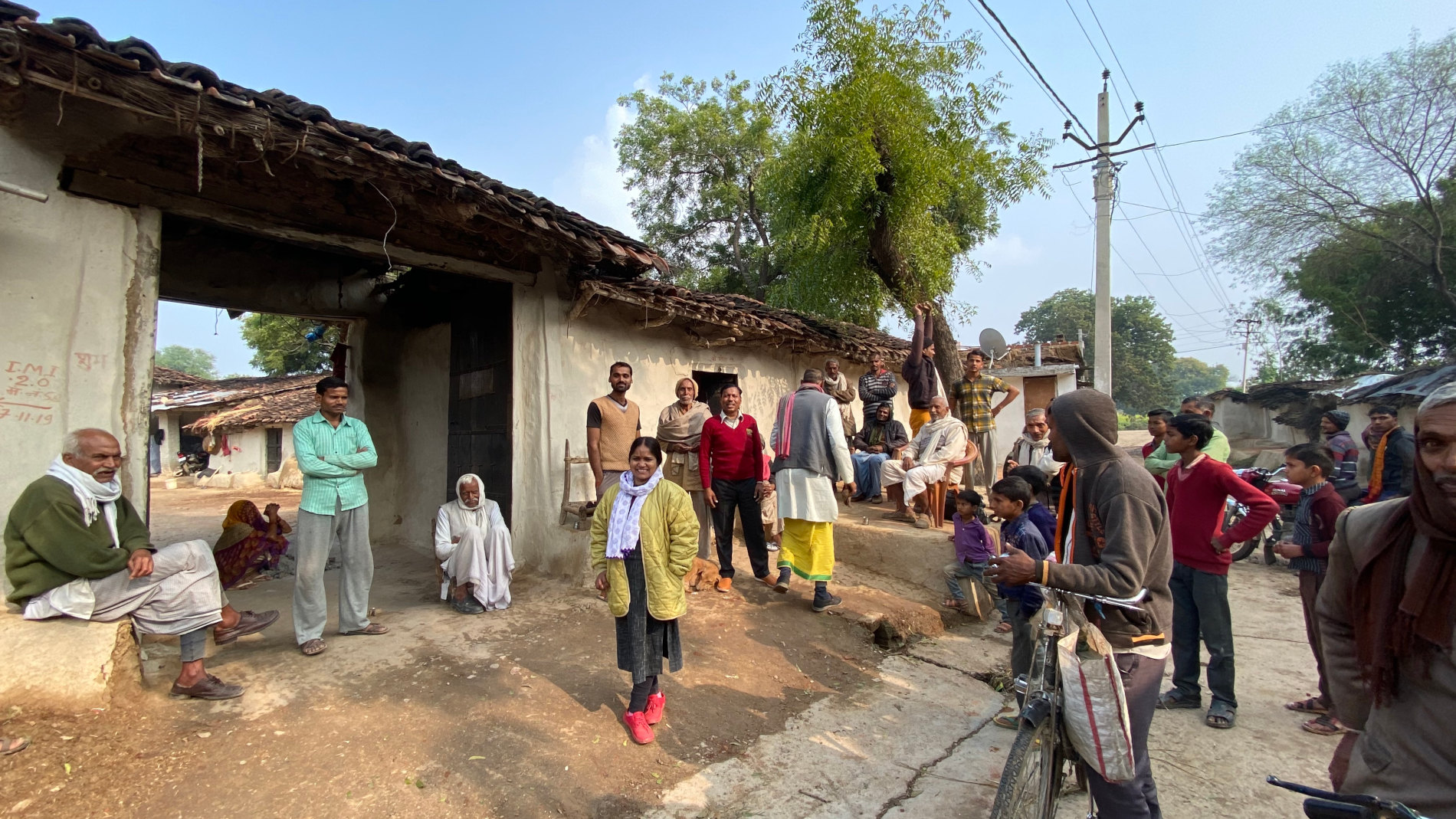
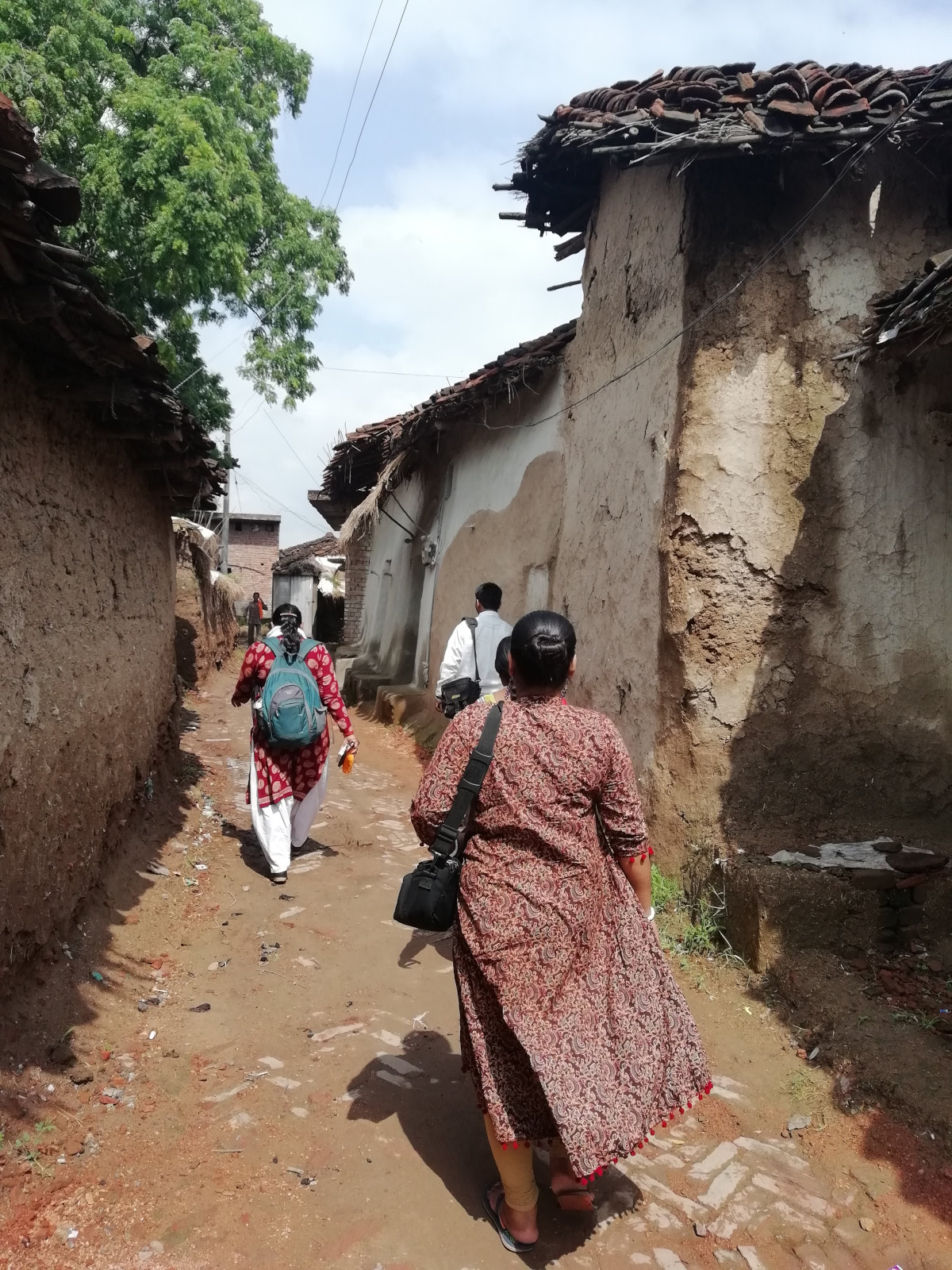
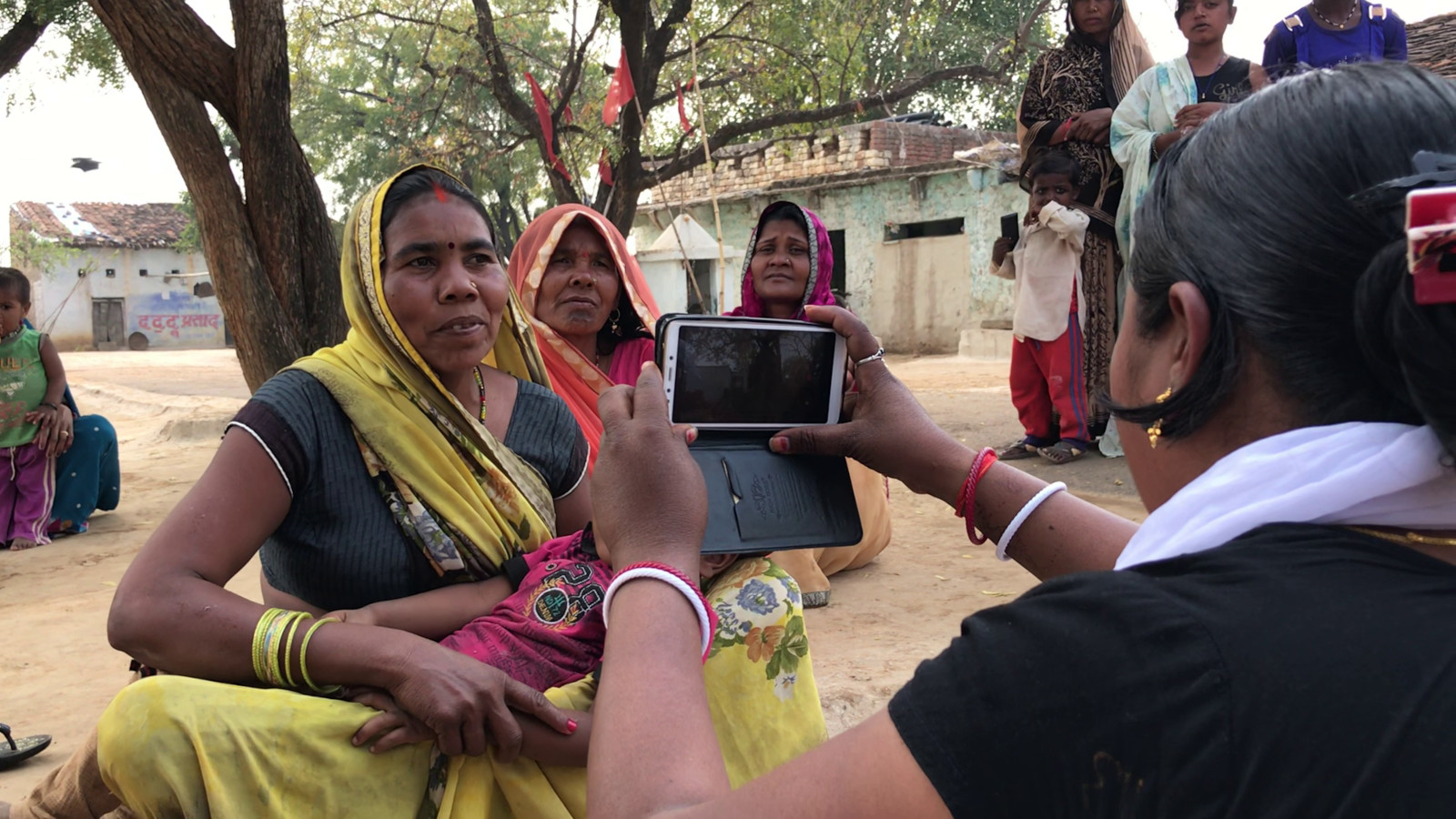
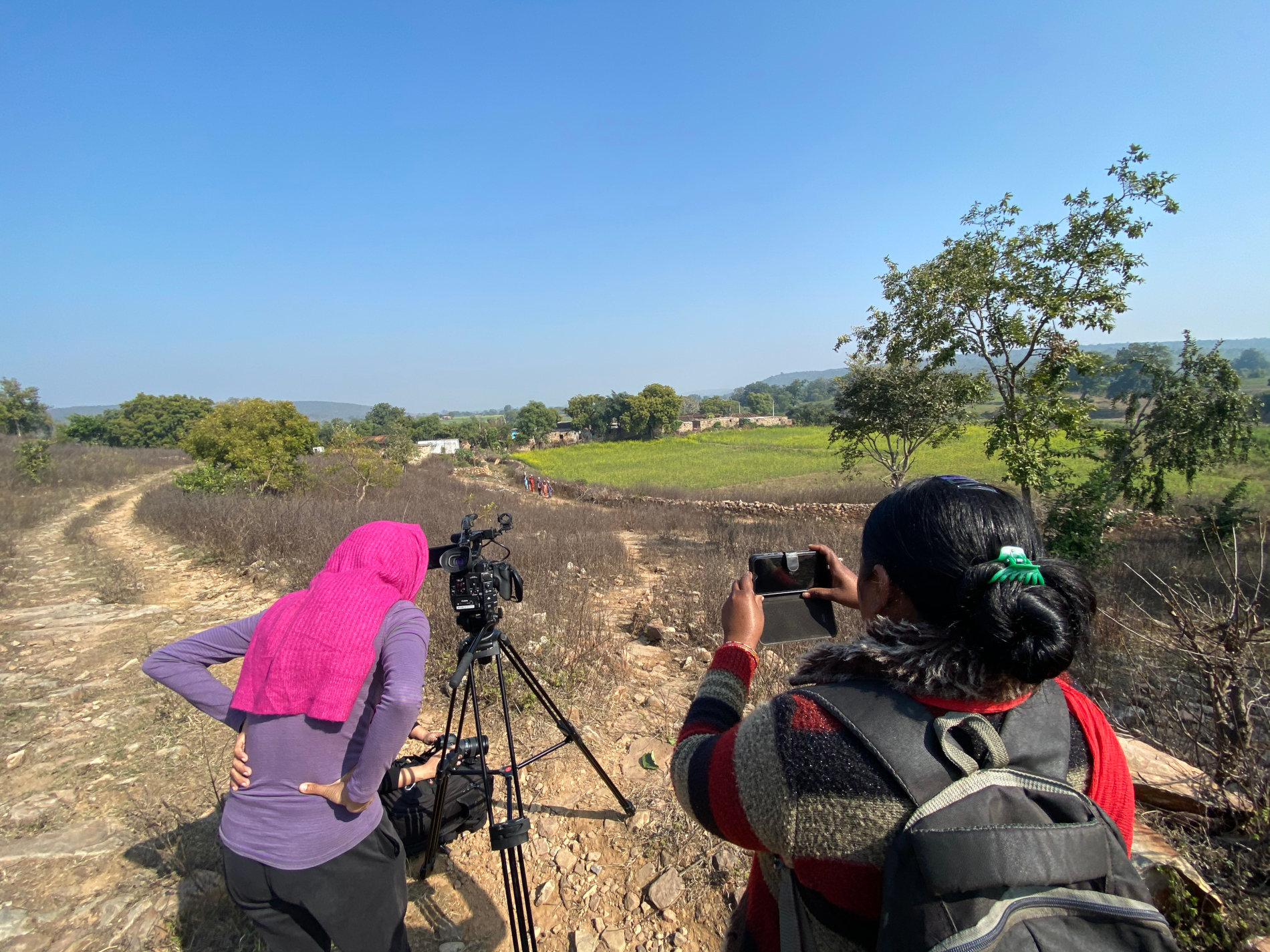
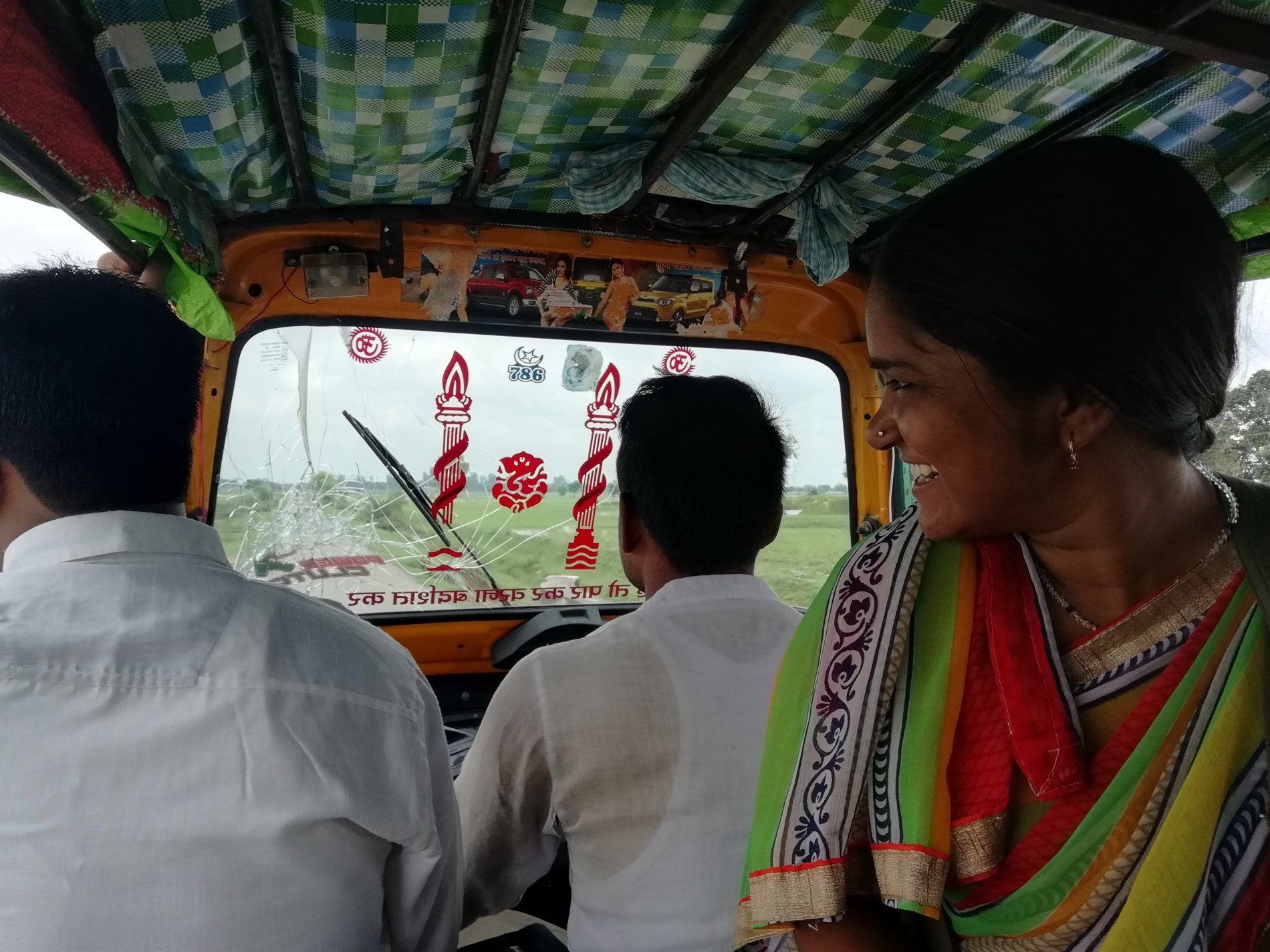
Our Rural Reporting Toolkit:
Through our Rural Reporting Toolkit, you can benefit from our 20 years of experience and a feminist perspective. In this toolkit, you can access videos, articles, podcasts, and graphics without any hassle and at your own pace. Whenever you have time, just open the data on your mobile and start learning about rural reporting through our toolkit. The best part is you're learning not from a textbook but from experienced and accomplished journalists. Isn't understanding rural reporting easy? For additional information, or if you're interested in mobile journalism, check out our R MoJo course, for which you can contact us.
Rural Reporting Toolkit Introduction
In this toolkit, you'll learn how to report on rural news from a feminist perspective.
For example, you will understand the nuances of patriarchy in the smallest matters. You will see how gender and caste discrimination occur in villages, which hinders women and girls from making informed life decisions.
Despite their willingness, women can't seize opportunities, as people in rural areas often dismiss the work of women and girls. These women face challenges at every step, dominated by male power structures. It's not us, but our experience saying this, reporting from rural areas.
Just as we learn to report in urban areas, understanding rural governance, societal norms, power dynamics, and discrimination is crucial for rural reporting.
You will undoubtedly witness patriarchy, gender discrimination, and caste discrimination in rural areas. All you need is the ability to perceive and keep your senses alert. Identifying these issues in rural areas can be challenging, but don't fret. Leave behind preconceived notions about villagers and enter with an open mind and a learning attitude because the reality might differ from your context. This toolkit covers everything from preparations before you hit the field to ensuring your convenience and safety. The toolkit comprises seven chapters.
Let’s get a brief overview of the essentials covered in each chapter.